
JEWE TRADING
JeWe Trading supplies key industrial raw materials for various sectors. Its products include Granular sulfur from the Middle East for smelters, fertilizer, and textile industries; rock phosphate from Morocco, Jordan, Egypt, and Togo for producing phosphatic fertilizers, phosphoric acid for food, beverages, and detergents, and metallurgical applications, and green coke from Kilang Pertamina Unit II Dumai.
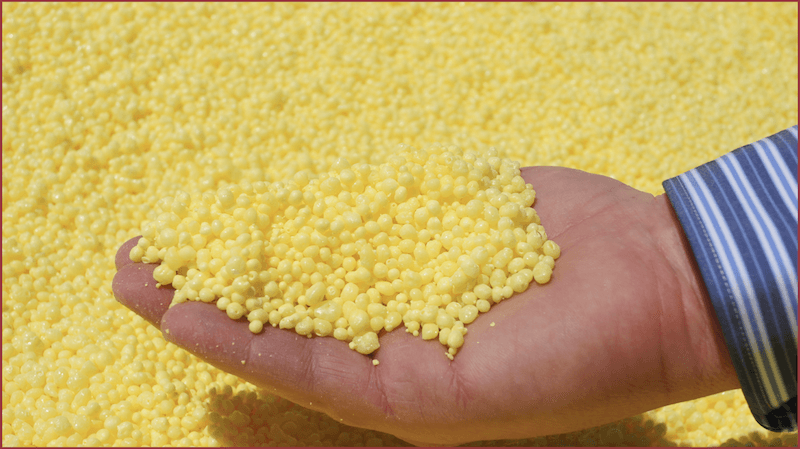
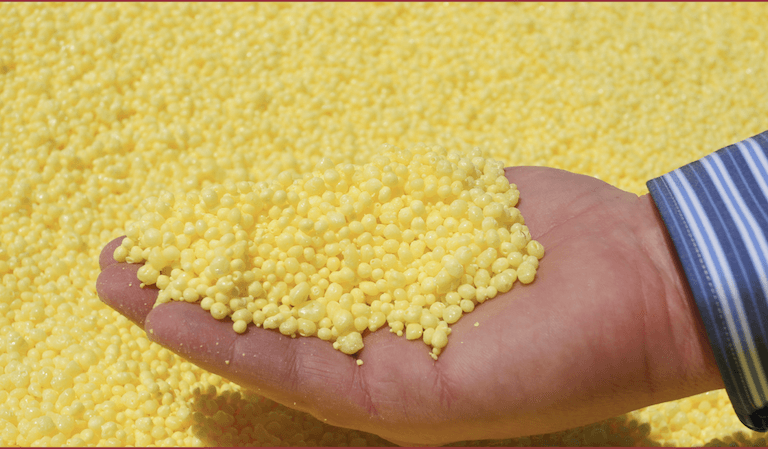
GRANULAR SULFUR
Description :
Granular sulfur is raw sulfur (element S) that is processed into small, uniform particles, usually in the form of bright yellow solid granules, to facilitate handling, transportation, and application in various industries and agriculture.
Agriculture:
Used as an important fertilizer to provide essential sulfur nutrients to plants. It also helps lower the pH of alkaline soils, which improves the absorption of other nutrients such as iron.
Chemical Industry: It is a key raw material in the production of sulfuric acid (H₂SO₄), which is then used in the manufacture of detergents, plastics, and many other industrial products.
Other Industries: Used in rubber vulcanization, explosives manufacturing, paper bleaching, petroleum refining, and water treatment.
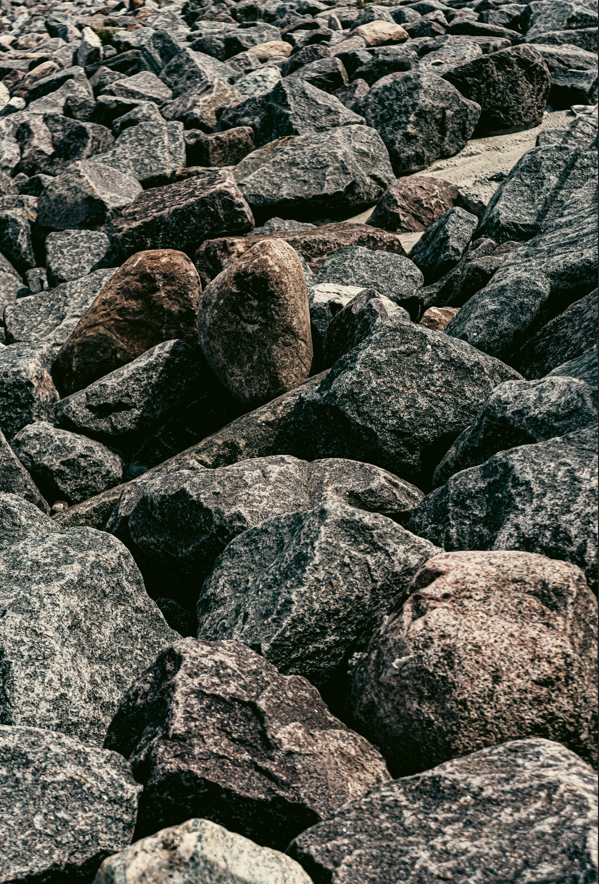

ROCK PHOSPHATE
Description :
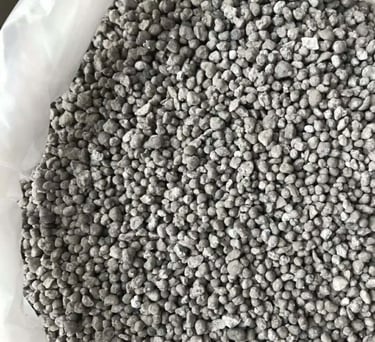
Rock phosphate is a naturally occurring sedimentary rock containing high concentrations of the mineral apatite. It is a major source of the nutrient phosphorus (P) and a key raw material in the fertilizer industry.
Here are some key points about rock phosphate:
Composition: Primarily composed of the mineral apatite, often in the form of carbonate apatite or fluoroapatite.
Main Function: Widely used in the fertilizer industry as the primary raw material for producing various types of phosphate fertilizers, such as TSP (Triple Superphosphate) and DAP (Diammonium Phosphate).
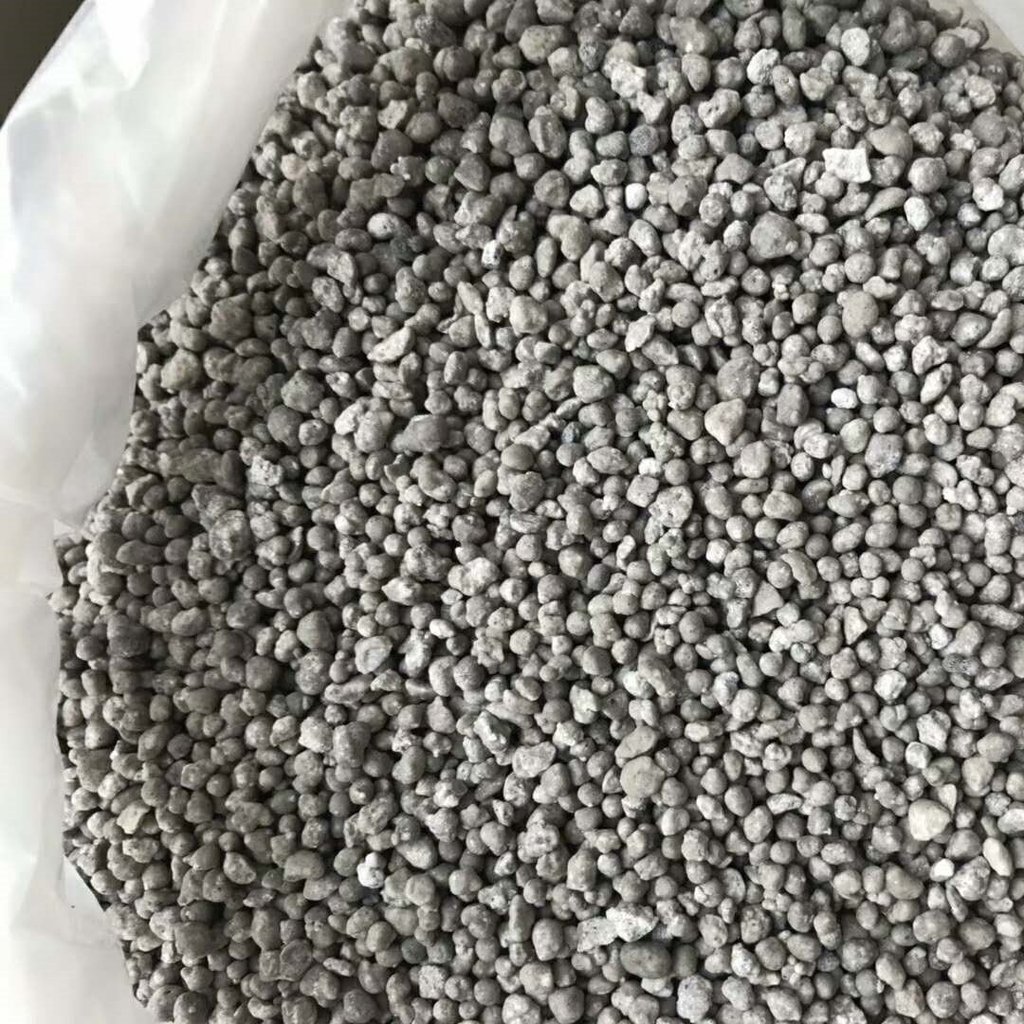
GREEN COKE
Description :
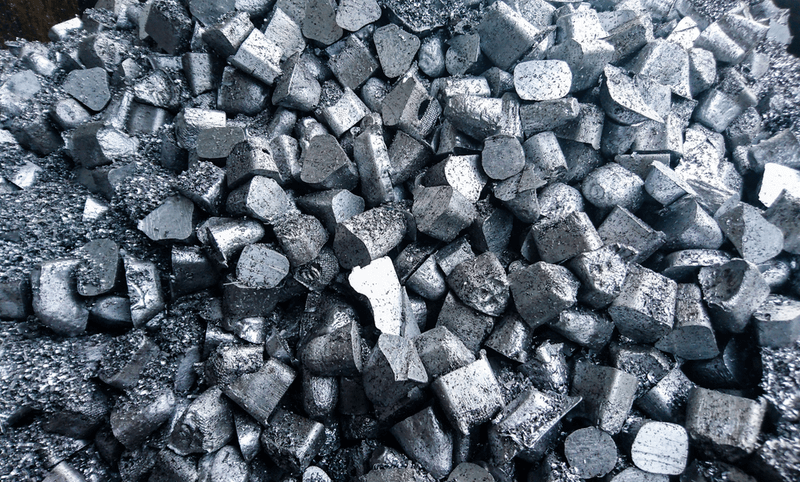
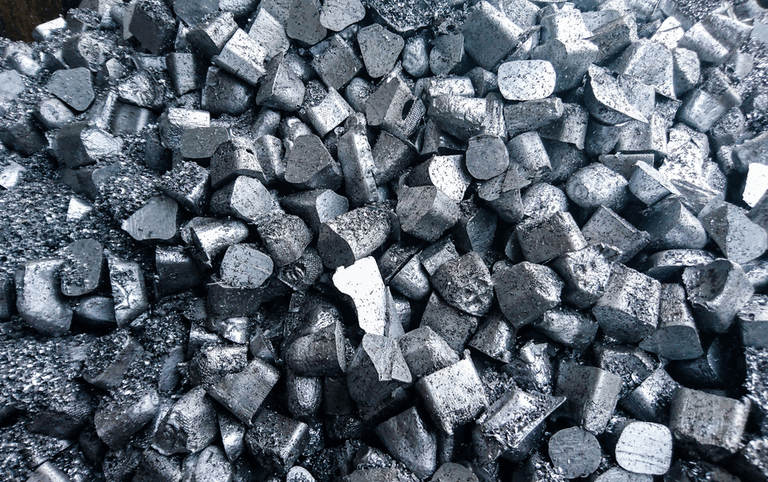
Green coke is a technical term in the petroleum industry for the crude solid carbon product produced by the delayed coking process of heavy petroleum. Although it is called "green," it is actually black or gray in color; the term "green" refers to its unprocessed or unrefined state. This green coke still contains water and volatiles, so it must first undergo a calcination process (high-temperature firing) to become calcined coke, an important raw material in the manufacture of electrodes for the aluminum and steel industries.
CARBONATE SOLVENTS
Description :
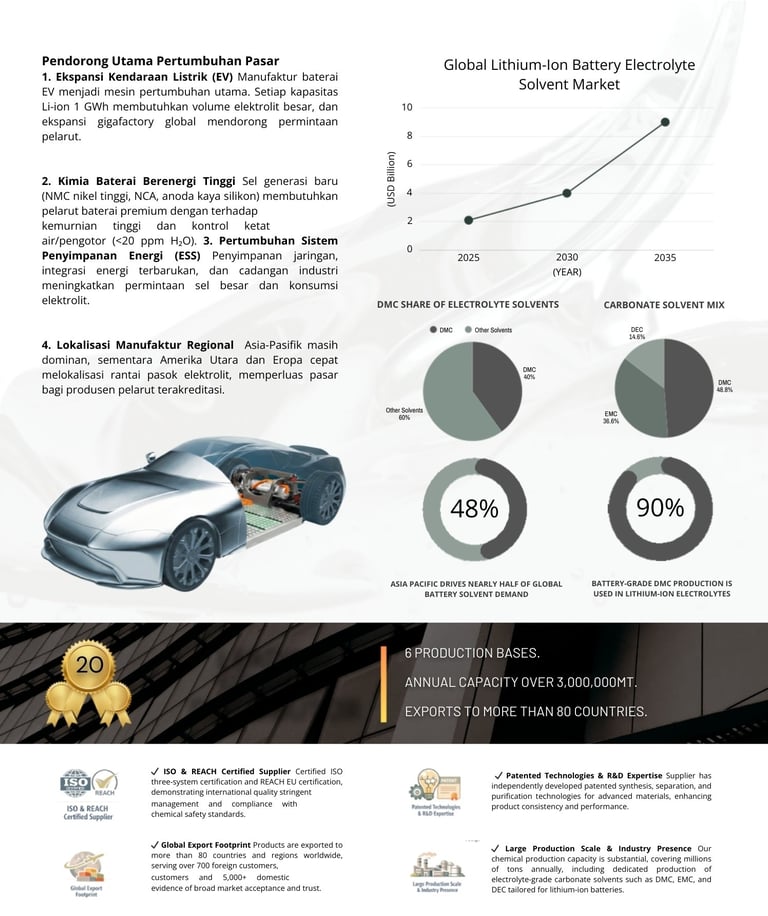
Driving the Global Electric Vehicle & Energy Storage Revolution
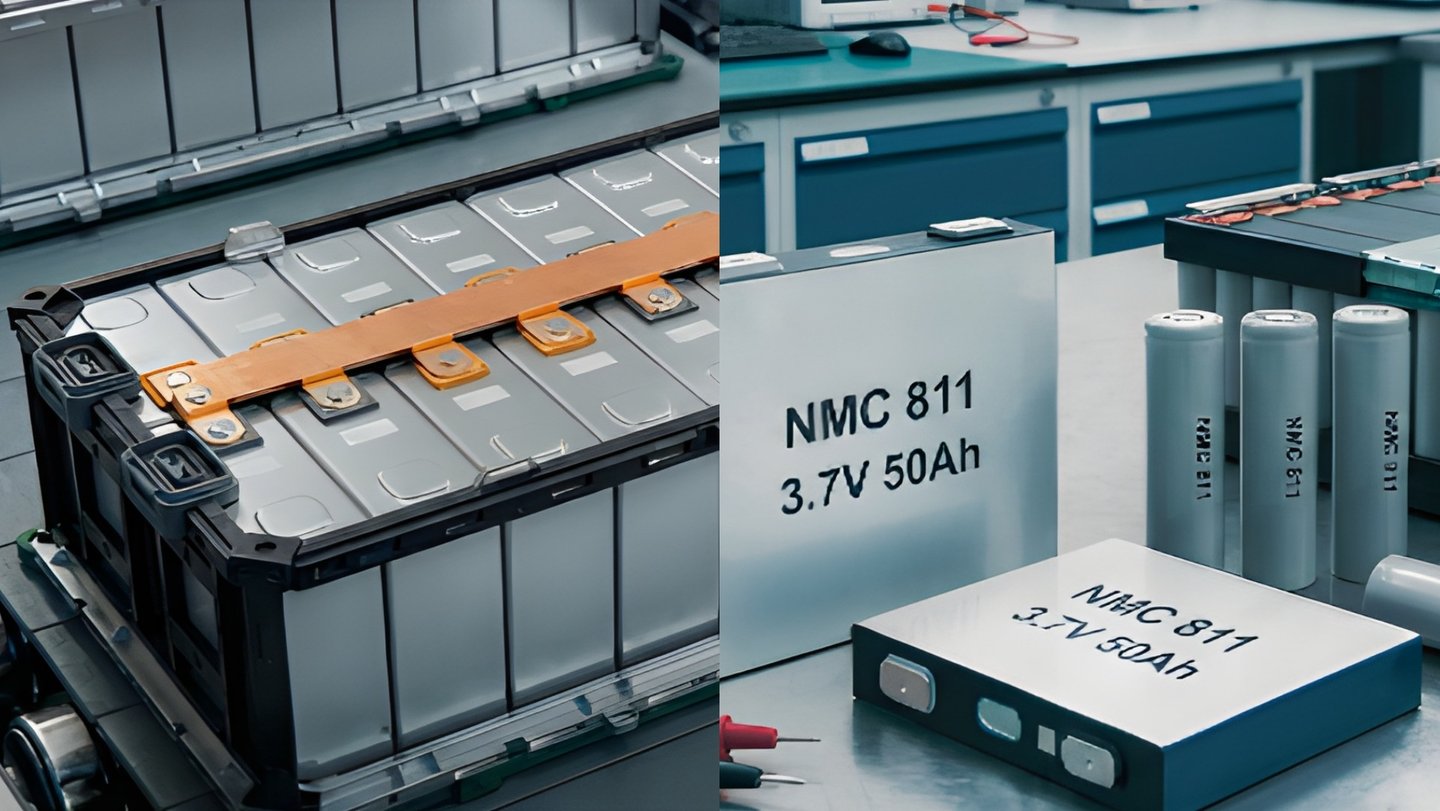
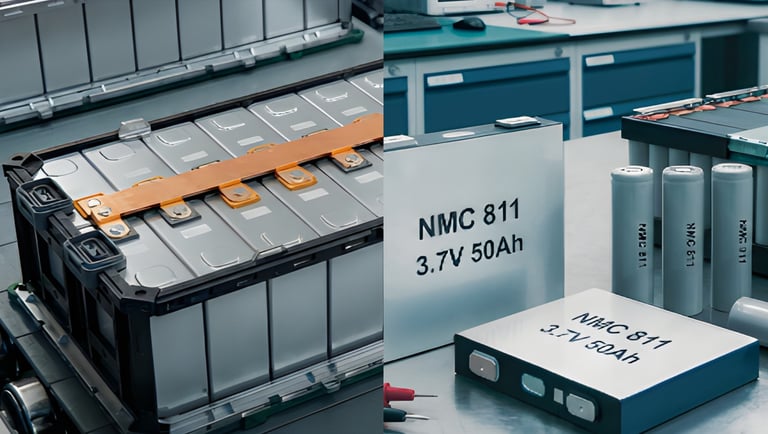
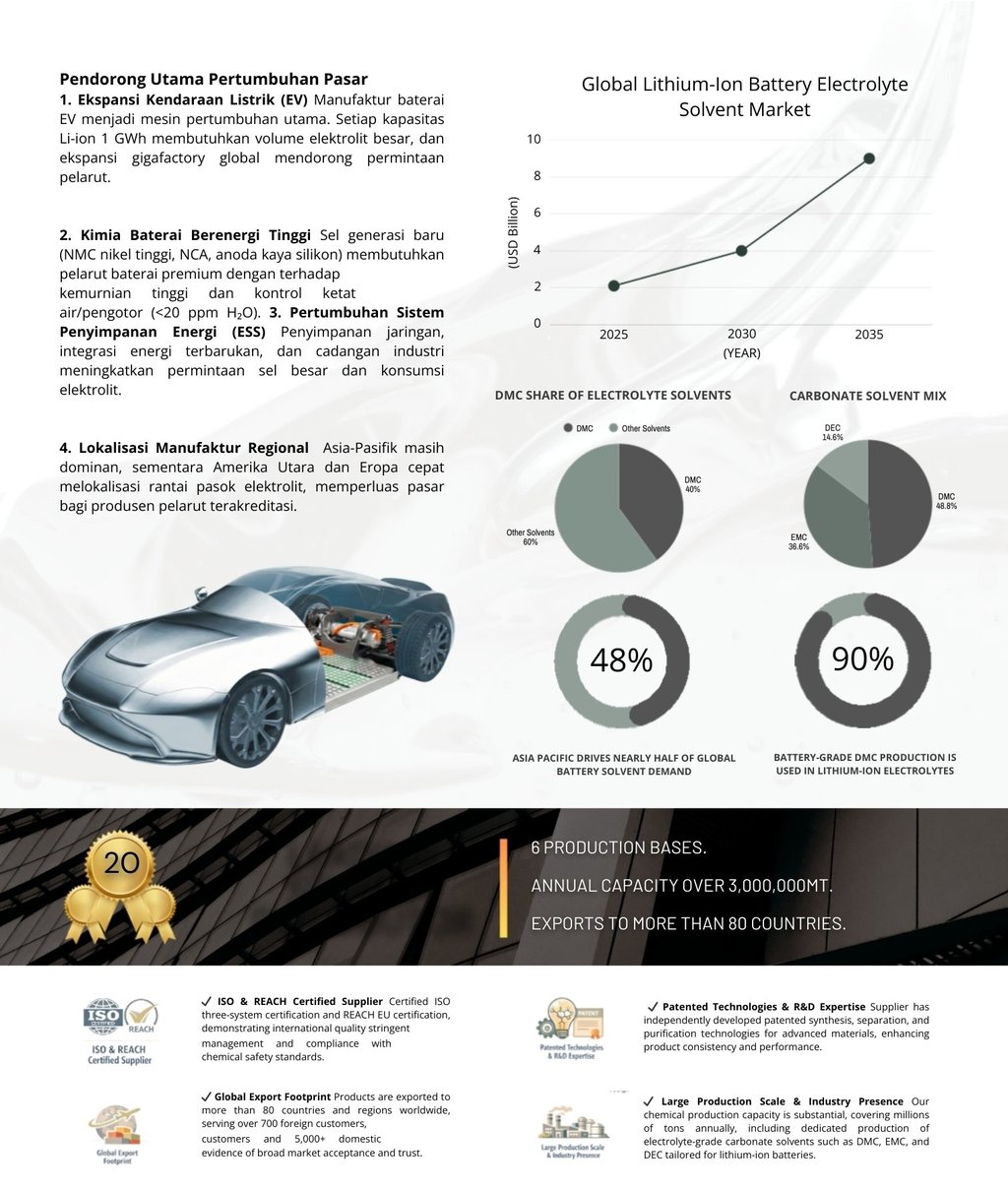
As the world accelerates its transition toward electric vehicles (EVs), renewable energy storage, and portable electronic devices, demand for high‑performance lithium‑ion batteries has reached unprecedented levels. These batteries are the backbone of modern clean‑energy solutions, powering everything from electric cars and buses to grid‑scale energy storage systems that enable the integration of renewable energy.
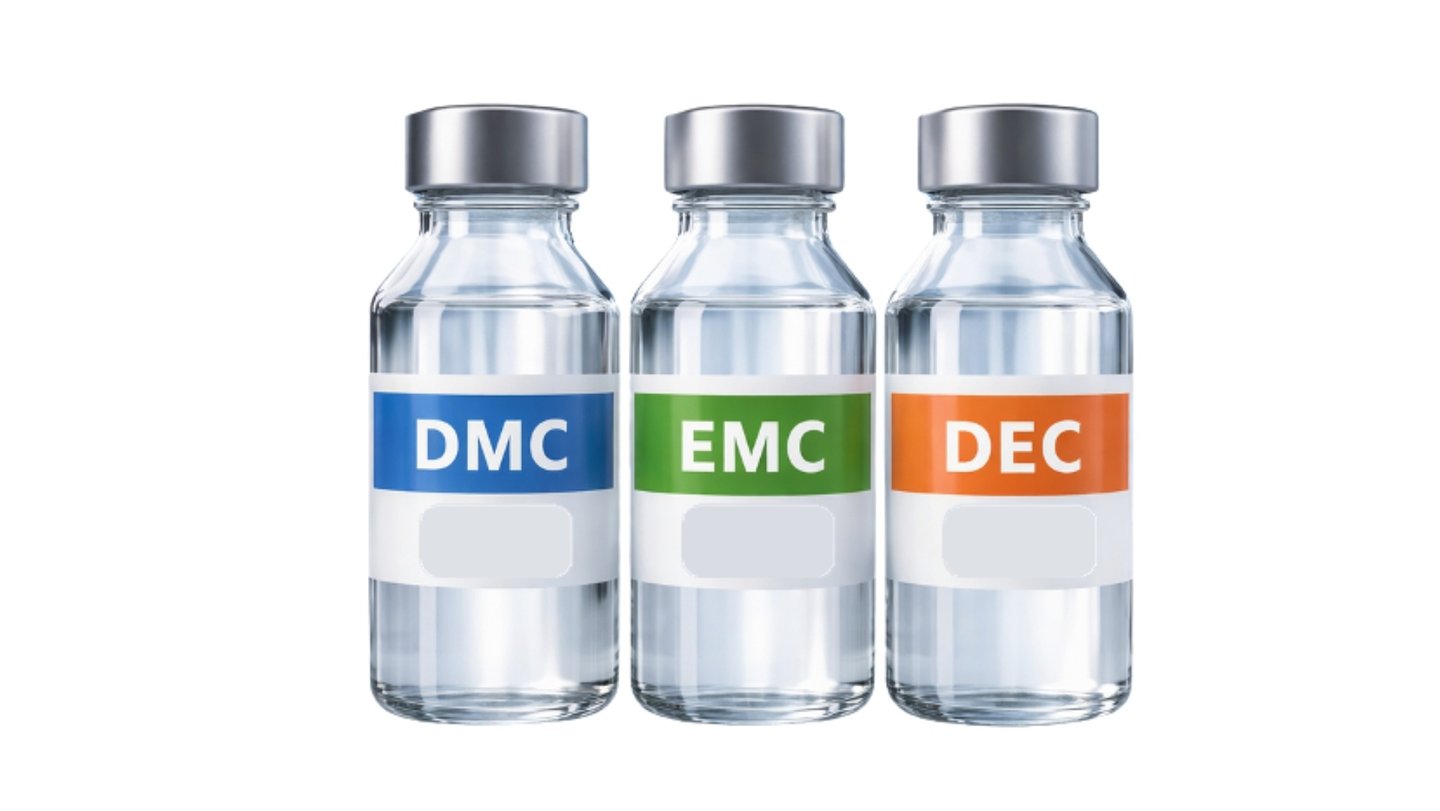
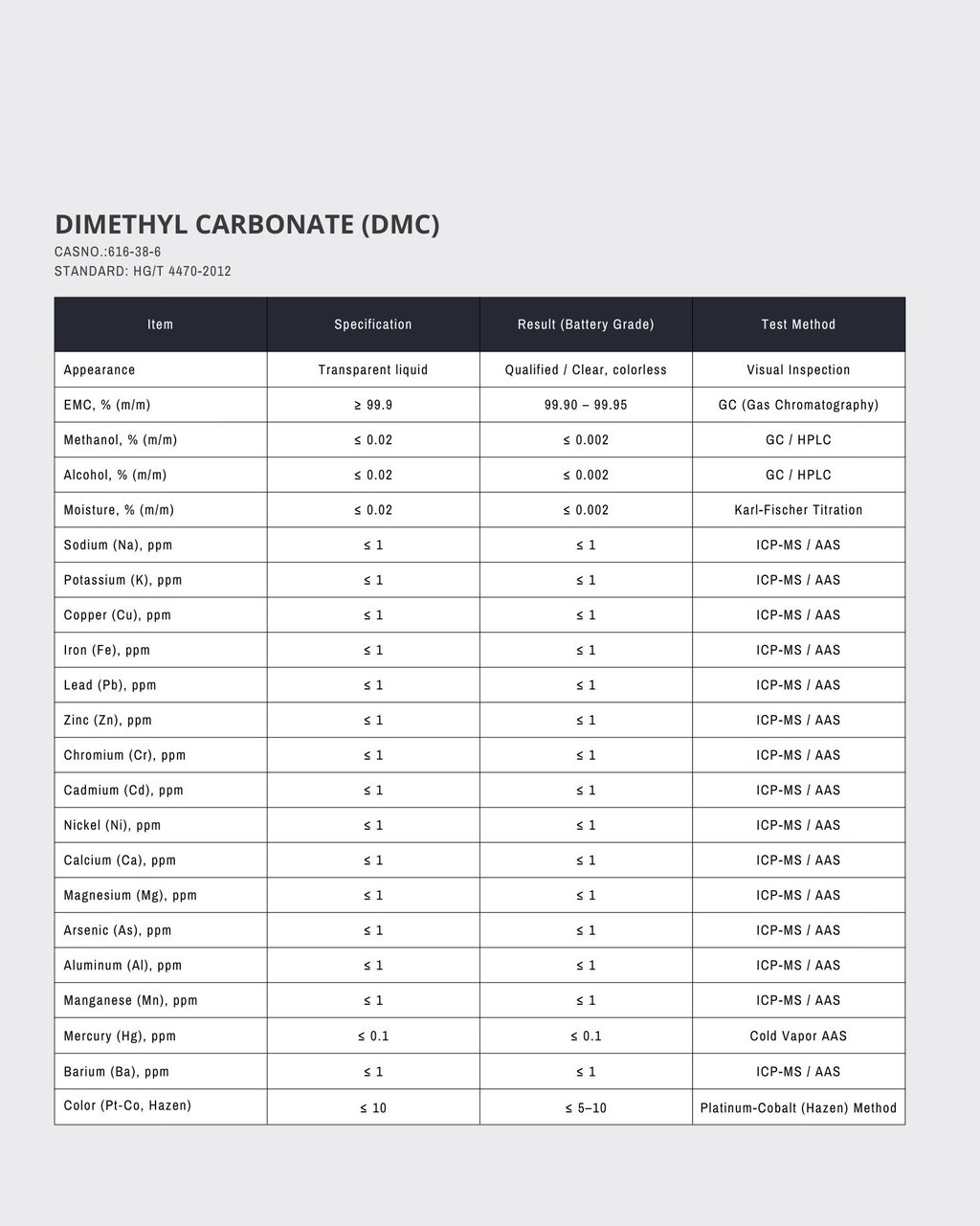
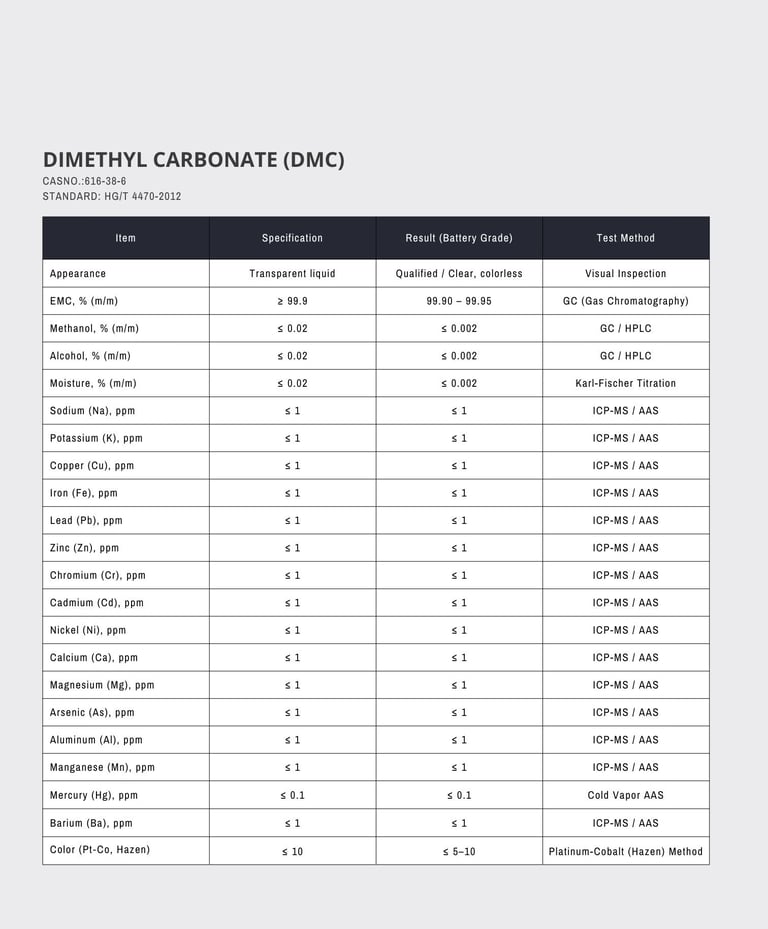
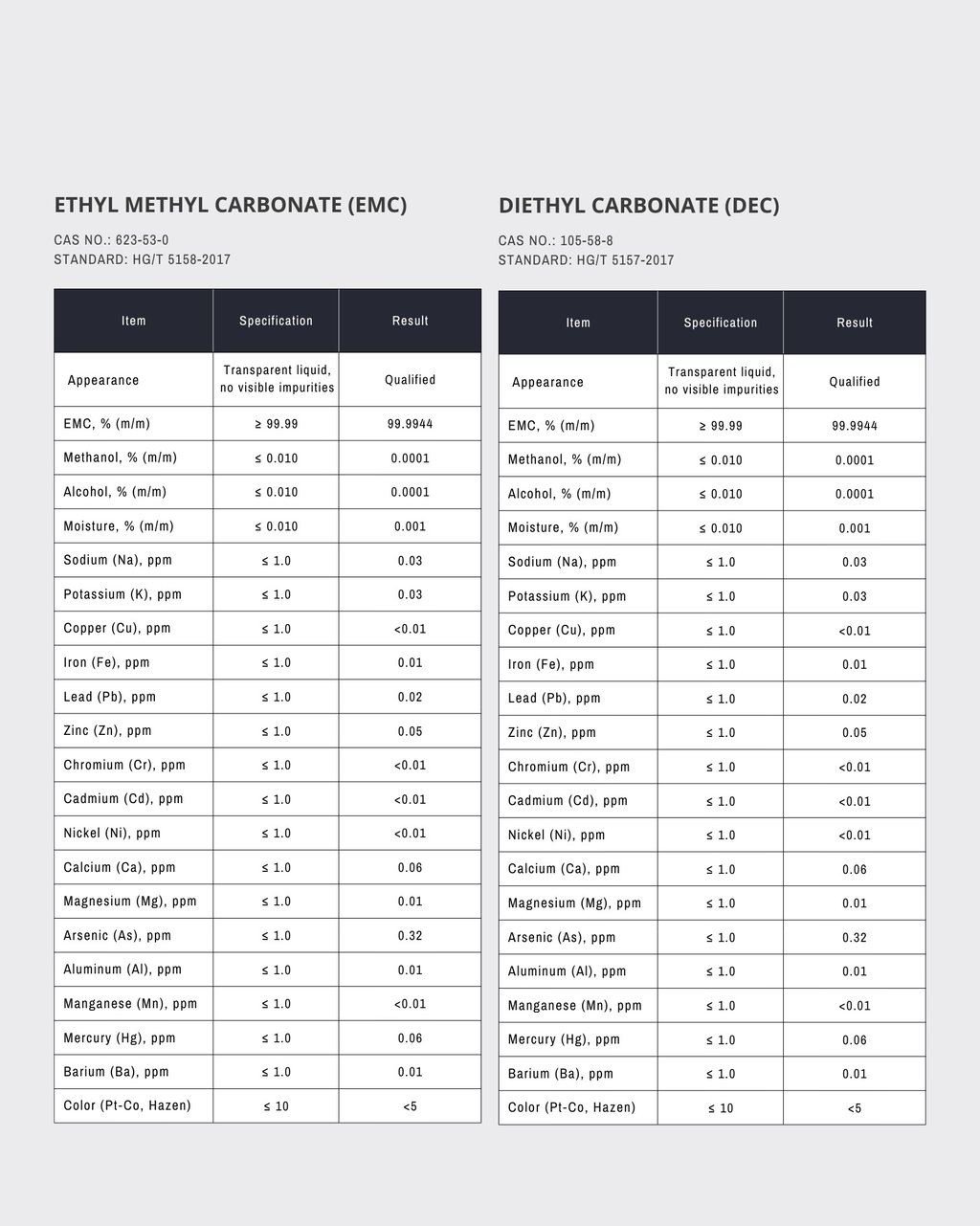
Carbonate solvents such as DMC, EMC, and DEC play a critical role in battery performance, serving as the primary medium for lithium‑ion transport within the electrolyte.
Why Our Carbonate Solvents Matter:
High Purity & Consistency
Ensures maximum performance for both LFP and NMC batteries.Optimized Ionic Conductivity
Supports efficient lithium‑ion transport for fast charging and high power‑discharge efficiency.Thermal and Chemical Stability
Maintains battery integrity under high‑voltage and high‑temperature conditions.Flexible Formulation
Easily blended with cyclic carbonates such as EC to create customized battery electrolyte solutions.
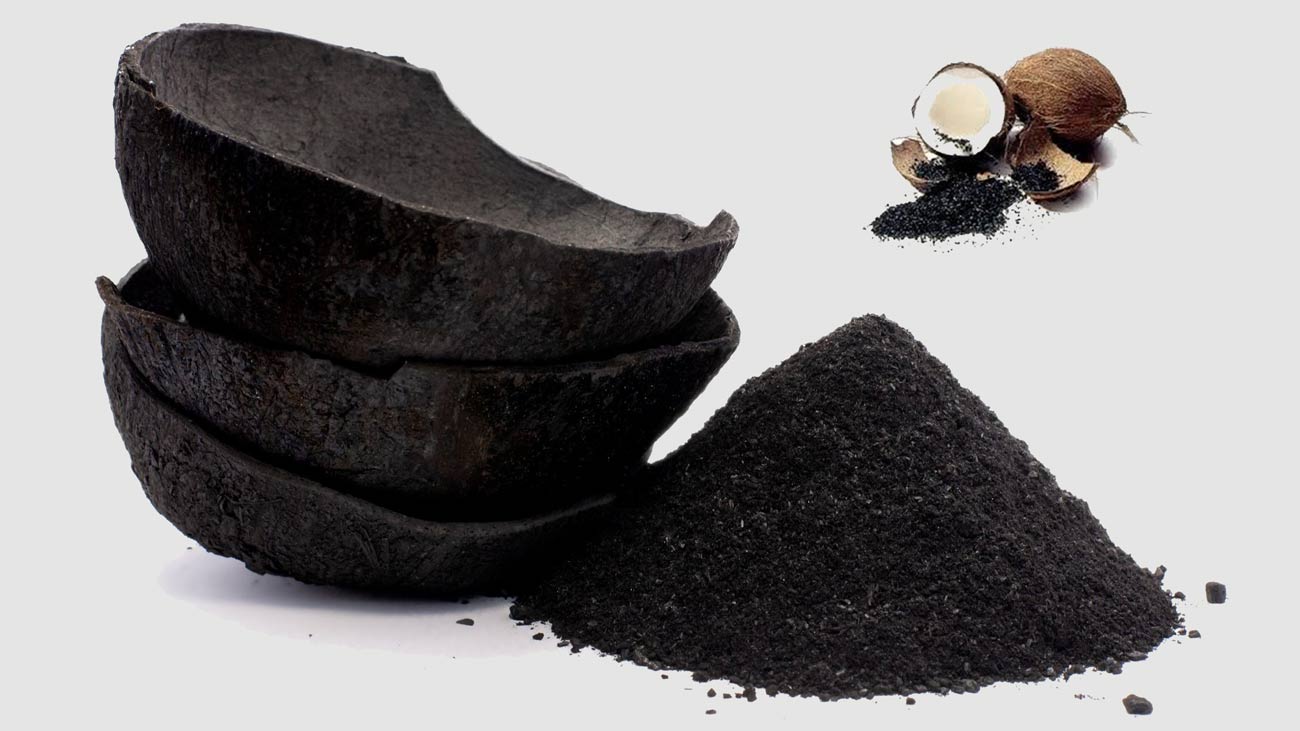
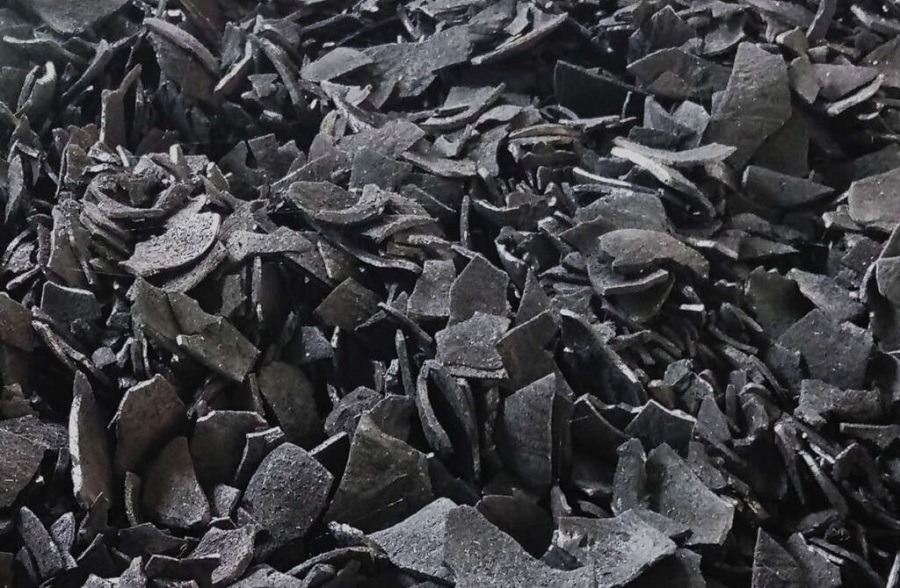
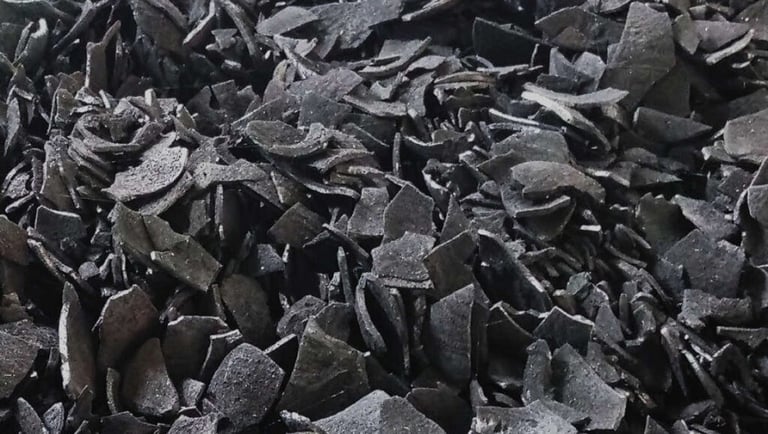
JeWe Trading is a premier supplier of high-quality Coconut Shell Charcoal sourced directly from Sulawesi, Indonesia. Sulawesi is globally recognized for producing coconuts with exceptionally thick and dense shells. This unique geographical advantage yields charcoal with superior heat retention, optimal burning efficiency, and long-lasting durability, making it highly sought after in the international market.
Product Advantages
High Calorific Value: Delivers intense, stable, and consistent heat output over extended periods.
100% Natural & Eco-Friendly: Processed without chemical additives, ensuring a clean, odorless, and smokeless burn.
Ultra-Low Ash Content: Minimizes residual waste, making it highly efficient for both industrial and consumer use.
Ideal Raw Material: The high density and hardness of our charcoal serve as the perfect base for shisha/hookah briquettes and activated carbon production.
COCONUT SHELL CHARCOAL
Description :
Contact
Get in touch with us today.
Connect
info@jeweholding.com
© 2025. All rights reserved.